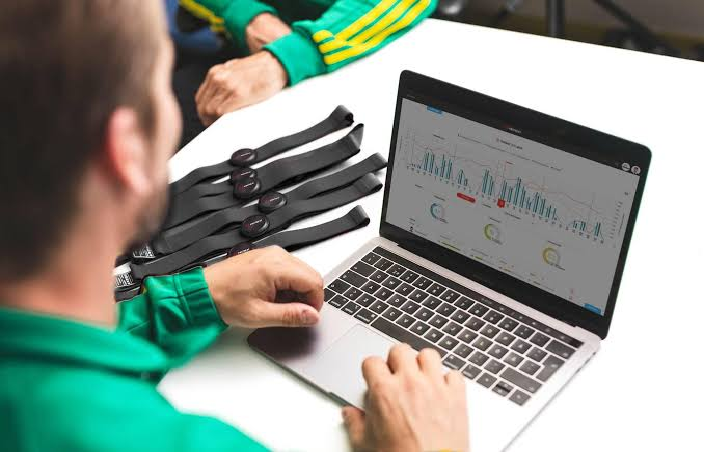

Modern athletic training has moved far beyond raw physical exertion on the grass. Decades ago, seasoned coaches relied solely on manual stopwatches, handwritten journals, and subjective player feedback to measure conditioning. Today, high-performance athletic departments operate like advanced aerospace laboratories. Miniaturized sensors, GPS tracking vests, and optical camera rigs monitor every stride, jump, and sudden deceleration across training sessions.
Behind this revolution lies a massive infrastructure of real-time sports science. By capturing kinetic data during daily drills, conditioning coordinators pinpoint the exact moment an athlete approaches muscle fatigue. This predictive modeling protects multi-million-dollar team rosters from preventable soft-tissue strains while ensuring peak energy reserves on game day. As analytics continue to reshape athletic management, performance metrics have evolved into the universal language of competitive success.
Advanced Metric Tracking Elevates Modern Team Playbooks
Competitive sports organizations continuously search for analytical advantages that convert raw athletic effort into scoreboard results. Performance directors combine player load indexes, metabolic exertion scores, and aerobic thresholds into unified daily dashboards. Whether looking at sports performance logs or taking a recreational break with interactive web entertainment like Rich Royal Casino, digital users expect seamless software design, instant feedback, and reliable interfaces. In professional athletics, that same technological precision dictates whether a star player starts the match or rests on the bench.
Crucially, modern fitness trainers tailor practice drills based on position-specific spatial data. A wide receiver running linear deep routes experiences completely different muscular stress than an interior offensive lineman absorbing continuous collision impacts. By evaluating distinct positional profiles, sports science departments eliminate one-size-fits-all training models, replacing them with customized conditioning regimens that build targeted strength without unnecessary joint wear.
Core Pillars of Modern Athletic Monitoring
Professional training facilities rely on integrated physiological tracking tools to keep athletes performing at their ceiling.
- Tri-Axial Accelerometer Units: Vests track sudden change-of-direction movements and quantify eccentric force loads on lower-body joints.
- Heart Rate Variability Sensors: Optical and electrical monitors evaluate autonomic nervous system recovery during overnight sleep cycles.
- Infrared Thermography Scans: Thermal imaging detects localized muscle inflammation hours before an athlete reports physical discomfort.
- Force Plate Jump Testing: Daily vertical countermovement jumps reveal subtle neuromuscular fatigue and asymmetries between left and right limbs.
Biomechanical Telemetry Systems Reshape Daily Regimens
Sports analytics groups analyze how different diagnostic tools inform player management across major professional leagues. By reviewing historical injury records and weekly practice loads, medical directors identify clear correlation trends between sudden workload spikes and subsequent ligament tears. Managing this training density protects athletic health across long, punishing championship seasons.
The following data table compares the primary diagnostic telemetry systems used across elite sports facilities, detailing their data capture method, primary training metric, update frequency, and practical clinical application:
| Telemetry System | Primary Sensor Technology | Target Metric Monitored | Data Capture Frequency | Core Performance Outcome |
| GPS Tracking Vests | Satellite and radio telemetry | High-speed running distance and sprint count | 10 to 18 samples per second | Calibrates weekly field volume to prevent hamstring pulls |
| Dual Force Plates | Piezoelectric load cells | Eccentric braking rate and force asymmetry | 1,000 hertz per jump | Spots subtle neurological tiredness before gym lifts |
| Blood Lactate Testers | Enzymatic test strip analysis | Cellular anaerobic threshold levels | Interval rest periods | Pinpoints aerobic conditioning thresholds for mid-season conditioning |
| Sleep Tracking Rings | Photoplethysmography and skin temp | REM and deep sleep recovery duration | Continuous overnight tracking | Dictates morning training intensity and nap allocations |
Practical Protocols Ensure Peak Physical Recovery
Translating raw biometric numbers into tangible field performance requires strict adherence to daily restoration practices.
Coordinators Enforce Gradual Workload Progression
Sudden increases in running volume represent the number-one cause of soft-tissue damage. Medical coordinators enforce a strict ten-percent ceiling on weekly distance increases, giving tendons and ligaments adequate time to adapt to new mechanical forces.
Athletes Prioritize Circadian Sleep Schedules
Physical recovery accelerates during slow-wave deep sleep when human growth hormone releases into the bloodstream. Elite performance centers supply blackout sleep chambers, blue-light-filtering eyewear, and temperature-controlled bedding to optimize restorative sleep cycles between games.
Nutritionists Supply Targeted Cellular Fuel
Consuming fast-digesting carbohydrates and branch-chain amino acids within thirty minutes of intense training accelerates glycogen replenishment. Tailored hydration formulas containing balanced sodium, potassium, and magnesium ratios prevent cramping and maintain optimal blood volume throughout ninety-minute matches.
The Future of Competitive Sports Preparation
The intersection of sports science and big data continues to push human physical limits. As wearable sensors become lighter, more durable, and capable of real-time biochemical monitoring, athletic organizations will predict injury vulnerabilities with unprecedented precision. Teams that master the art of turning raw telemetry into actionable conditioning habits will dominate athletic competition for years to come.